Fall HVAC Maintenance Checklist for Columbia, SC Homeowners
Fall HVAC maintenance helps prepare your heating and cooling system for changing weather before you depend on it during colder days in Columbia, SC. A useful fall checklist includes changing or inspecting the air filter, testing the thermostat, checking vents, clearing the outdoor unit, looking for unusual system behavior, and scheduling professional maintenance when needed.
Columbia winters may be milder than those in many northern climates, but your heating equipment still needs to operate reliably when temperatures drop. Fall is a practical time to identify problems because homeowners can test their heating system before the first cold night creates an urgent need for service.
Some maintenance tasks are safe for homeowners. Others involve electrical components, burners, motors, refrigerant systems, or internal equipment and should be handled by an HVAC professional.
Use this checklist to get your system ready.
1. Check Your HVAC Air Filter
Start with one of the simplest HVAC maintenance tasks: inspect the air filter.
A dirty filter can restrict airflow, making it more difficult for your system to circulate conditioned air throughout the house. Restricted airflow can also affect comfort and place unnecessary strain on HVAC equipment.
Check the filter for visible dust and debris. If it is dirty, replace or clean it according to the manufacturer's instructions.
ENERGY STAR recommends checking HVAC filters monthly and replacing them when dirty, especially during periods of heavy system use.
2. Test Your Heating System Before Cold Weather Arrives
Do not wait for the first genuinely cold night to discover that your heater is not working correctly.
During early fall, switch the thermostat to heating mode and raise the setting enough to create a call for heat. Allow the system to operate and pay attention to its performance.
Ask yourself:
- Does the heating system start normally?
- Is warm air reaching the rooms?
- Is airflow consistent?
- Are there unusual noises?
- Does the system cycle normally?
- Are there unusual odors that persist?
A brief dusty smell can sometimes occur when a heating system first operates after sitting unused. However, persistent burning or electrical odors deserve professional attention.
Testing early gives you time to address problems before reliable heating becomes more important.
3. Check the Thermostat
Your thermostat is the control center for your home's HVAC system, so include it in your fall HVAC maintenance routine.
Make sure the display works correctly and verify that the system responds when you change from cooling to heating.
If your thermostat uses replaceable batteries, fall can also be a convenient time to inspect or replace them according to the manufacturer's recommendations.
For programmable or smart thermostats, review your schedule as the season changes. Your summer cooling schedule may no longer match your household's fall routine.
A thermostat problem can sometimes look like an equipment problem. Confirming basic settings before requesting service may help rule out a simple cause.
4. Inspect Vents and Pay Attention to Airflow
Walk through your Columbia home and inspect the supply and return vents.
Furniture, rugs, curtains, boxes, and other household items can unintentionally block airflow. Keep vents unobstructed so conditioned air can move through the home as intended.
While the heating system runs, compare airflow between rooms.
If one area receives significantly less airflow than the rest of the house, make a note of it. Uneven airflow may point to a vent, ductwork, blower, or other HVAC issue that deserves further evaluation.
Avoid closing large numbers of vents in unused rooms without professional guidance. Residential HVAC systems are designed around specific airflow requirements, and changing that airflow can affect system operation.
5. Clear Debris Around Outdoor HVAC Equipment
Fall leaves and yard debris can collect around outdoor HVAC equipment.
Keep the surrounding area reasonably clear of:
- Fallen leaves
- Grass clippings
- Branches
- Weeds
- Dirt buildup
- Stored outdoor items
Do not cover or enclose operating equipment unless the manufacturer specifically instructs you to do so.
If your home uses a heat pump, the outdoor unit remains important during heating season because it operates to transfer heat. Maintaining clear space around the equipment helps support normal airflow.
Homeowners can remove loose debris around the unit, but internal cleaning or disassembly should be left to trained professionals.
6. Look for Moisture and Drainage Problems
Cooling equipment produces condensation, and HVAC drainage components can develop clogs or other problems.
Before transitioning fully into heating season, look around accessible HVAC equipment for signs of unusual moisture.
Watch for:
- Standing water
- Water stains
- Persistent dampness
- Visible drain-line problems
- Musty odors near equipment
Do not ignore recurring water simply because the AC cooling season is ending. Moisture can affect nearby materials and may signal a drainage or equipment issue that should be corrected.
The U.S. Department of Energy includes condensate drains among the air-conditioning components that require maintenance.
7. Know What Professional Fall HVAC Maintenance Covers
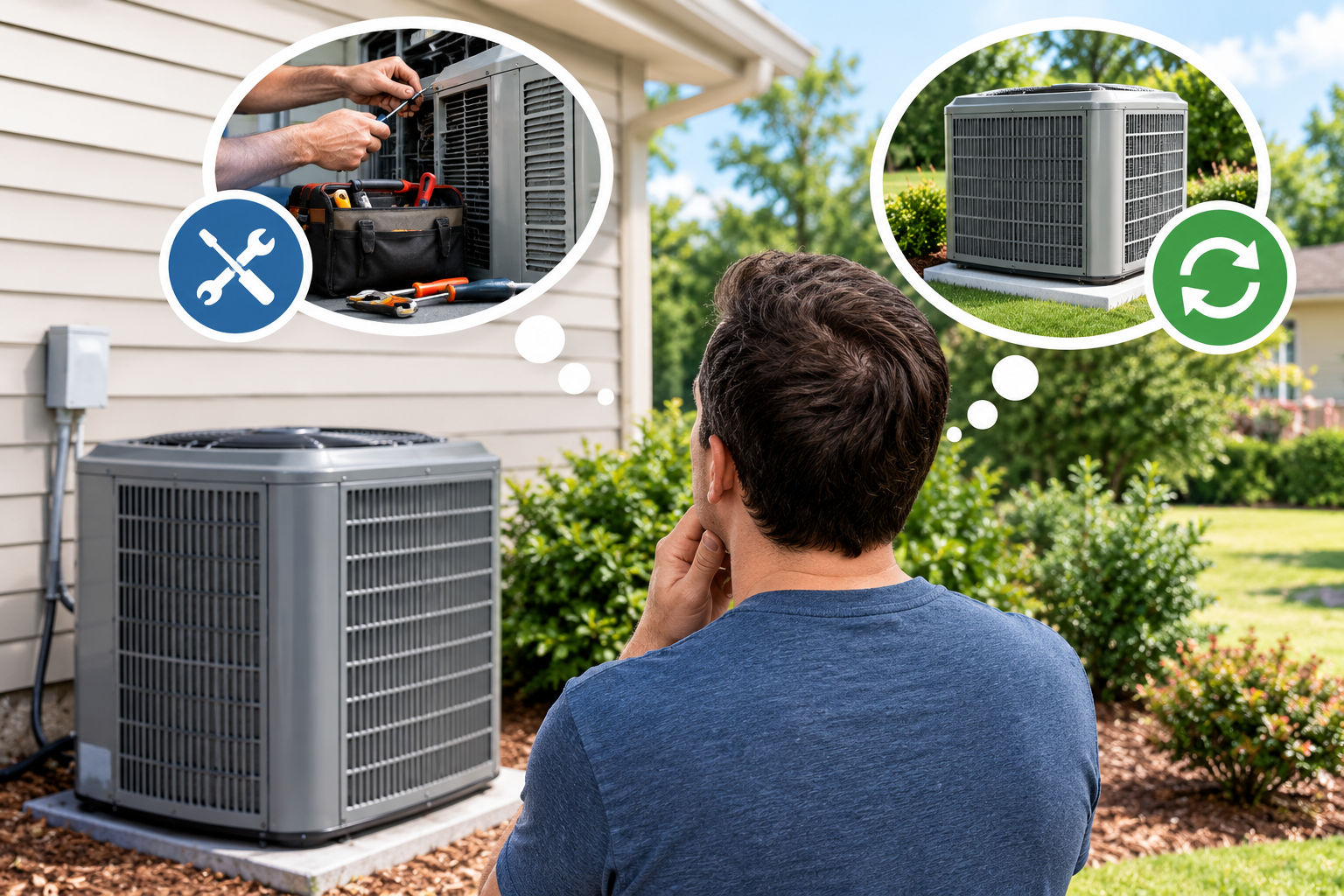
Homeowner maintenance is valuable, but it does not replace a professional HVAC inspection.
A trained technician can evaluate components that homeowners should not attempt to service themselves. Depending on the type of heating and cooling equipment, professional maintenance may include checking electrical connections, controls, system operation, airflow, motors, coils, drainage, and heating components.
The goal is not simply to confirm that the equipment turns on.
A useful inspection evaluates how the system is operating and whether there are signs of wear, improper operation, or performance problems that should be addressed.
Expert Insight: Fall Maintenance Is About Finding Changes Early
One of the most useful parts of seasonal HVAC maintenance is comparing current system performance with what is normal for your home.
When you test your heater, pay attention to changes.
Maybe the system takes longer to warm the house than last winter. Perhaps airflow from one vent has weakened. You may hear a sound that was not present before or notice that the equipment starts and stops more frequently.
Write these observations down.
Specific information such as “the bedroom airflow became weaker this fall” gives an HVAC technician more context than simply saying the system “doesn't seem right.”
For homeowners in Columbia, Lexington, Irmo, West Columbia, Cayce, and surrounding areas, checking these details before colder weather arrives can help uncover heating problems before they become urgent.
Frequently Asked Questions
When should I schedule fall HVAC maintenance?
Early to mid-fall is a practical time because you can test the heating system before colder weather arrives. However, if you notice unusual system behavior at any time, you do not need to wait for a particular month to request service.
What HVAC maintenance can I do myself?
Homeowners can safely inspect filters, check thermostat settings, keep vents unobstructed, remove loose debris around outdoor equipment, and watch for visible moisture or unusual system behavior.
Should I replace my HVAC filter every fall?
Inspect it rather than relying only on the calendar. Replacement frequency depends on the filter, household conditions, system use, and manufacturer recommendations. Replace disposable filters when they become dirty.
Why should I test my heat before winter?
Testing your heating system early gives you an opportunity to identify poor airflow, unusual noises, thermostat problems, or a lack of heat before colder weather makes the problem more urgent.
Do heat pumps need fall maintenance?
Yes. Heat pumps provide both cooling and heating, so proper airflow, outdoor-unit condition, controls, and overall system operation remain important as seasons change.
Prepare Your Columbia Home for Cooler Weather
A practical fall HVAC maintenance routine does not need to be complicated. Check the filter, test your heating system, verify thermostat operation, inspect vents, clear outdoor debris, and watch for moisture or unusual equipment behavior.
These simple observations can help you identify changes before colder weather arrives.
For tasks involving internal HVAC components, electrical systems, or professional diagnostics, rely on a trained technician rather than attempting repairs yourself.
Solutions Heating & Air, LLC serves Columbia, SC and surrounding communities with residential and light commercial heating and cooling services. If your fall system check reveals weak airflow, unusual noises, poor heating, or another HVAC concern, call Solutions Heating & Air at (803) 269-5326.